08 October 2026
Spring, TX Kids Achieve More with condition1combat.com kids martial arts
Presented by @gunnermjku438
Parents in Spring keep asking the same questions: How do I help my child build real confidence, not the kind that crumbles under pressure? How do I keep them active without burning them out? Where can they learn practical self protection without becoming aggressive? After years coaching youth classes and watching dozens of families navigate seasons, school demands, and big growth spurts, I can say this with confidence: the right kids martial arts program does more than teach kicks and punches. It builds a steadier, kinder kid who knows how to handle tough moments and take pride in hard work.
Condition 1 Combat Center sits right in that sweet spot for Spring families. The atmosphere is serious about skill and safety, yet down to earth. Instructors expect effort, not perfection. The mats are clean, the drills have purpose, and the community extends beyond the last bow of the night. If you have been checking out condition1combat.com kids martial arts options or comparing local programs, here is what actually moves the needle, and why families who commit for a season or more see the biggest payoff.
What kids actually learn on the mats
The strongest results come from a simple blend: fundamentals taught clearly, repetition built into fun drills, and consistent feedback on effort and focus. Condition 1 Combat Center martial arts classes for kids lean on three pillars.
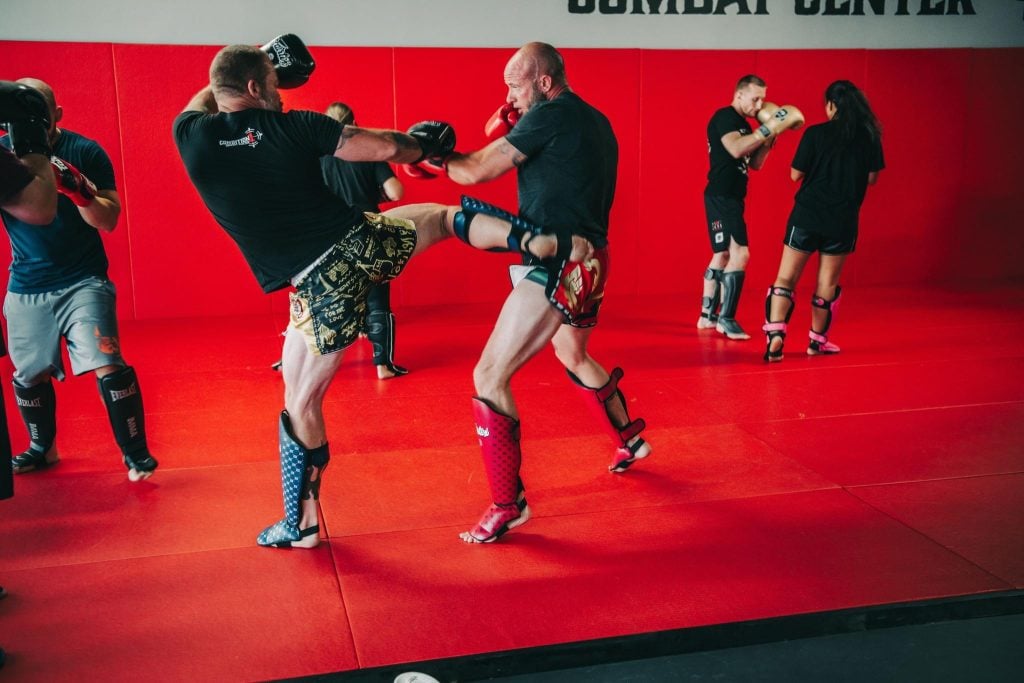
Striking fundamentals. Kids learn footwork first, then jab and cross mechanics, then how to move their head off the center line. Early sessions often use pool noodles and focus mitts to keep it playful without losing technique. The goal is crisp lines, not haymakers. A child who can keep their feet under them and maintain their guard already looks and feels more in control.
Grappling essentials. The ground is where many schoolyard scuffles end. Coaches teach base, posture, frames, and escapes long before any submissions. We want every child to understand how to stand up safely, protect their head, and create distance if someone is on top of them. That kind of control translates directly to self defense without encouraging street fighting.

Situational awareness and voice. Drills on boundary setting matter. Kids practice saying, “Back up, I do not want trouble,” with a steady tone. They learn to get behind a barrier, find trusted adults, and spot exits. It sounds simple, but getting a 9 year old comfortable using their voice is one of the most protective skills we can give them.
If you drop by a typical 60 minute class, you will see a steady rhythm. The warm-up lasts 8 to 10 minutes with movement patterns that build coordination, not just sweat. Technical rounds follow, two to four minutes each, where kids rehearse a skill and switch partners. Coaches call out cues like “chin down” or “elbows tight” and tap gloves for good reps. Then comes a controlled game or isolated sparring segment where kids apply the skill at a low intensity. Class ends with one challenge set, usually a timed hold or balance test, and a quick huddle on effort.
The little things matter. Cues are short and specific. Lines move fast. Corrections are given quietly and praise is given publicly when earned. That cadence keeps kids engaged without chaos.
Confidence that shows up at school and at home
Real confidence looks like a child who raises a hand more often, who tries a second time when the math problem fights back, who recovers quicker after a rough day. I have watched a shy seven-year-old spend two weeks avoiding eye contact and backing away from pad drills. By week four, he was the first to volunteer for partner work. The difference was not a motivational speech. It was building small wins, rep by rep, and giving him roles to help teammates succeed.
Condition 1 Combat Center kids martial arts focuses on roles because roles build identity. One week your child is the timer captain. Another week they lead the stretch, counting in a strong voice. These micro-responsibilities add up. Teachers and parents often notice better follow through at home: dishes actually moved from sink to dishwasher, homework started without a lecture. Confidence built on earned competence tends to spill into the rest of life.
Safety and self defense, taught responsibly
Parents want their kids equipped for real life without turning them into brawlers. Good programs teach de-escalation first, then practical self defense as a last resort. The self defense classes at condition1combat.com emphasize three layers.
Layer one is awareness and avoidance. Kids rehearse how to keep distance from escalating classmates, how to spot unsafe peer dynamics, and how to move with a buddy after school events. We build wording they can remember under stress, like “I do not feel safe, I am going to the office,” said calmly and clearly.
Layer two is boundary setting and exit skills. That includes breaking wrist grabs by rotating over the thumb, bump-and-run techniques when space is tight, and the technical stand-up to return to their feet while protecting their head. These are low-risk, high-payoff moves for smaller bodies.
Layer three is last-resort striking and control. If a child is pinned or cornered, a sharp palm strike to create space, followed by a quick escape, is more useful than a perfect spinning kick. On the ground, we teach frames against the face and hips, how to shrimp to guard, then stand up without turning their back. Children do not need a large toolkit, they need a functional one. That is where instructors at Condition 1 Combat Center are careful: they trim the flash, keep the functional.
It is common for families to start with condition1combat.com self defense classes and realize that ongoing martial arts Condition 1 Combat Center training builds better habits. A single seminar is a start. Developing reflexes requires contact with a coach who knows your child and can calibrate pressure over months, not minutes.
Age groups and smart progression
Five to seven year olds need different demands than preteens. At Condition 1 Combat Center, the curriculum narrows to fit attention spans and growth stages.
In the younger group, focus sits on gross motor patterns, safe falling, and simple language. Think two step combos and short games that reward steady balance. Coaches keep the tone upbeat and correction light.
In the eight to twelve bracket, coaches expect stronger technique and more self control. Now we build combinations off the jab, roll under punches with balance, hold top position with proper knee placement, and earn stripes through consistency. Kids begin to understand how to control adrenaline. Drills get a shade longer and partners rotate more often.
Teens transition to the same mechanics adults use, scaled for growth and strength. Here, conditioning edges upward and situational sparring layers in. Many teens in Spring find that regular training keeps them away from the loop of screens and late nights. Structure helps.
Belt systems and stripes are useful, but they are only as good as the standards behind them. Instructors at Condition 1 Combat Center explain exactly what earns a stripe: attendance, technique quality, and attitude. The goal is never quick belts. It is honest markers of progress.
Coaching you can trust
Good coaching keeps kids safe while challenging them just enough to grow. Look for instructor ratios that stay tight, ideally 1 to 10 or better in youth classes. Watch how a coach delivers a correction. The best ones crouch to eye level, say the child’s name, then give https://kylerzacl799.birchreport.com/posts/condition-1-combat-center-self-defense-classes-practical-skills-for-everyone one clear cue, not a paragraph. Ten minutes later, they check back to praise the attempt.
I have seen too many rooms where coaches try to hype children into effort. It backfires. Condition 1 Combat Center’s approach is steadier. Emotions down, standards up. You will hear a lot of “Reset your stance,” and “Try that again, you have it,” rather than shouting. That tone teaches kids how to regulate themselves, which is one of the most transferable skills they will develop.
Hygiene and safety protocols are non negotiable. Mats should be sanitized daily. Coaches must hold current CPR and first aid certifications. Background checks should be standard. Safety gear is sized properly and used consistently. When you visit, ask how the team handles head contact in youth classes. Expect clear rules. Expect instructors to model control.
What to bring on day one
- A water bottle with a name on it
- Comfortable athletic clothes, no zippers or snaps
- Flip flops or slides for moving off the mats
- A small notebook to track stripes or key drills
- A calm reminder that trying is the win, not being perfect
Most schools, including Condition 1 Combat Center, will provide loaner gloves or pads for trial classes. If your child decides to commit, the beginner gear package usually includes light gloves, shin protection for older kids, and a mouthguard for contact drills. Fit matters more than brand. Coaches will help size everything.
The first 90 days, realistically
Progress is not linear. Kids hit plateaus, get colds, miss a week for a birthday marathon. Expect occasional dips, and look for bigger arcs. Here is how most families see growth in the first three months.
- Weeks 1 to 2: Curiosity and nervous energy. Your child learns how to line up, bow in, and move safely on the mats. Coordination drills feel awkward, then a little less awkward. Expect lots of questions.
- Weeks 3 to 4: First technical wins. Combinations start to click. Kids partner up with fewer reminders. You may see better posture and eye contact. Shy kids often volunteer for a small role.
- Weeks 5 to 6: Confidence blips. They hit a wall on a skill. This is where coaches earn their pay. A good cue or a fun game around the hard skill keeps them moving.
- Weeks 7 to 8: Capacity grows. Endurance improves. Children handle longer drills with fewer breaks. Parents often report better sleep and less fidgeting during homework.
- Weeks 9 to 12: Identity shift. Your child talks about class unprompted. They teach a sibling a stance or a grip. If stripes or a belt test are due, they stand taller, not cockier, because they know they did the reps.
Keep practices consistent, ideally two sessions per week. One class a week is better than none, but the gains come faster and stick longer with two.
Where character training fits, and where it does not
Martial arts earns its reputation for respect and discipline, but make no mistake: shouting “Yes sir” does not make a child respectful. It is the daily friction of effort that builds patience and humility. When kids lose a drill and still slap hands cheerfully, or when they help a new student tie a belt, character grows. Condition 1 Combat Center instructors frame those moments. They call out good sportsmanship right when it happens. They hold the line when a child refuses to partner or tries to cut reps.
There is a limit, though. A dojo is not a cure for everything. If your child faces serious anxiety or behavioral challenges, a good coaching team will collaborate with you and, when appropriate, with your child’s therapist or counselor. The aim is support, not replacement.
Neurodiverse kids and thoughtful accommodations
Parents often ask if classes work for kids with ADHD, autism spectrum conditions, or sensory processing differences. The short answer: with the right coaching, yes, and often beautifully.
In practice, this looks like giving a child a clear station on the mat, using visual cues for combinations, and planning one dependable role each class. Coaches learn to pair that child with a steady partner and pace transitions so they are not overwhelmed. Noise sensitivity can be managed by setting rules about clapping or using silent signals. For many kids, the structure of Condition 1 Combat Center martial arts classes provides exactly the reliable routine they need. If you think your child would benefit, tell the staff ahead of time. Good teams welcome that conversation.
How martial arts supports other sports and schoolwork
Strong hips, stable knees, and good posture help in soccer, baseball, and dance. Rotational power from clean jab mechanics transfers to a bat swing. Grappling builds core endurance that spares lower backs during long rehearsals. Controlled breathing helps kids settle test jitters.
There is also the calendar reality. Spring and fall sports pack weeknights. The solution many families use is treating martial arts as the backbone. Two classes per week year round, other sports layered in seasonally. Kids enter the next season with better conditioning and fewer soft tissue issues. I have seen a measurable dip in overuse injuries when families spread load intelligently.
The role of parents
What you say after class matters more than you think. Skip “Did you win?” or “How many stripes did you get?” and try “What was hard today?” or “Show me the drill you liked.” Process over outcome keeps kids from chasing belts and missing the deeper value.
At home, keep practice short and fun. Two minutes of stance work while dinner simmers, a round of shadowboxing in the hallway, a single technical stand-up from the living room rug. Do not try to coach technique beyond what you have been taught. Instead, encourage consistency and celebrate effort.
Measuring progress beyond belts
Belts and stripes are useful, but parents benefit from a wider lens. Watch for:
- Faster recovery from frustration.
- Smoother transitions between activities at home.
- Better sleep and appetite on training days.
- Teachers reporting improved attention or fewer conflicts.
- Your child initiating practice or movement on their own.
If progress stalls, speak with the coaches. They see your child in a different context and can adjust partners or drills to re-ignite engagement.
Adults can train too, and it helps the kids
When parents jump into Condition 1 Combat Center adult martial arts training, kids pay attention. You model humility by being a beginner. You come home sweaty and satisfied, and the message lands: this is what we do as a family. The adult program at condition1combat.com blends fitness with practical skill, not just cardio kickboxing or heavy sparring. Some families even align schedules so drop-off and adult classes overlap. It simplifies the week and keeps everyone moving.
For adults curious about structure, expect a thoughtful warm-up, technical rounds with partners, and calibrated intensity. Coaches prioritize longevity. Many parents start for fitness and stay for the community. You will often hear them talk about better stress management and steadier energy, which kids notice.
Why local matters in Spring
Spring is a community that shows up. School events sell out, Saturday mornings fill fast, and word of mouth travels quickly. A local academy like Condition 1 Combat Center grows or shrinks on trust. You feel that when you walk in. Parents greet each other by name. Instructors ask about school projects or weekend games because they pay attention.
Location matters for another reason. Short drives make consistency more likely. If it takes 30 minutes each way, attendance drops when traffic picks up or homework piles on. Look for a class time that fits your child’s energy. Many younger kids do best at the earlier slot. Older ones can handle a 6 or 7 p.m. Class without turning the next morning into a slog.
Cost, trials, and the value conversation
Budgets are real. Most programs in the area offer a trial period, often one or two weeks, sometimes a low cost month. Use that window to judge fit. Watch how your child responds after class, not just during it. Expect transparent pricing for memberships and gear. Beware of bait-and-switch deals. A fair rate matched with clear expectations usually beats the cheapest option filled with hidden fees.
Think about the value beyond sweaty clothes and a few pictures. A year of consistent training can change posture, social confidence, and coping skills. I have seen kids who hid behind a parent in August lead warm-ups by spring. That kind of shift is hard to put on a price sheet, but parents feel it at home.
What sets condition1combat.com martial arts apart
Several details tend to shape strong outcomes at Condition 1 Combat Center:
- The curriculum tracks what kids can actually retain, not what looks good on social media. Flashy techniques sit on the shelf until a child shows they can control simpler skills.
- Coaches translate self defense into school-safe responses. They teach how to make space, how to get help, and how to avoid escalation, because that is what kids need in hallways and on playgrounds.
- Community carries weight. Families organize carpools. Teens mentor younger students during designated segments. That web of support keeps kids from slipping through cracks.
- Adults and kids share a culture, not a building. The same respect rules apply across classes, so your child sees the standard modeled by grownups, not just told to them.
If you are sorting options between Condition 1 Combat Center martial arts classes and other local gyms, visit in person. Stand quietly for a full class. Watch the warm-up, then the middle, then the debrief. Notice how many smiles show up after tough rounds. Those small cues reveal the health of a room.
Getting started without overwhelm
Book a trial through the website for martial arts classes condition1combat.com or walk in during posted youth sessions. Plan to arrive 10 minutes early to meet the coaching team. Let your child stand with you for the first few minutes if they are shy, then encourage them to join the line. Step back once class gets rolling so coaches can build rapport directly.
After the first class, keep the car ride home low pressure. Ask an open question and leave space for silence. Nerves often decompress slowly. Over the next week or two, their enthusiasm tends to heat up as the room gets familiar.
If your child is already excited, channel that energy into a simple routine. Two nights of training, one short play-practice at home, and a weekly chat about a skill they want to improve. That structure feels light to a child yet builds a foundation that lasts.
The broader path ahead
A child who sticks with kids martial arts Condition 1 Combat Center for a year or two picks up more than techniques. They learn to breathe through discomfort rather than bolt from it. They learn that feedback is a gift, not a threat. They practice courage in 90 second slices, week after week, until it feels like part of who they are.
I have heard parents say, “He is still himself, just a sturdier version.” That is the target. Traits like steadiness, kindness, and grit are not born overnight. They are trained. And an honest, well run program like condition1combat.com martial arts gives kids the right place to train them.
If you are ready to see how your child responds on the mats, look into kids martial arts condition1combat.com or stop by the academy to watch a class. The first step often feels small. The change over a season can feel anything but.
For families who want to participate together, Condition 1 Combat Center adult martial arts training is there too. Parents who train tend to stick with the schedule longer, and kids mirror that dedication. When a household treats martial arts as a shared practice, not just a drop-off activity, growth compounds.
Whether your goal is practical self defense, better focus at school, or simply a healthy, confidence-building outlet, martial arts condition1combat.com has a thoughtful path. The mats teach what words cannot. And those lessons, learned young, carry a long way.