08 October 2026
Condition 1 Combat Center: Practical Self-Defense for All
Presented by @gunnermjku438
A good self-defense gym should feel like a working laboratory. Pads thump, partners trade roles, and coaches circulate with small, specific corrections that make your next repetition safer and more effective. That is the day-to-day reality at Condition 1 Combat Center in Spring, Texas. The curriculum favors skills that hold under pressure, with clear pathways for kids, adults, and complete beginners to build capability without getting overwhelmed. I have watched new students, from a 9-year-old learning to frame against a grab to a 55-year-old accountant drilling a hip escape, navigate the same principles on their level and leave class tired, alert, and a little more independent than they walked in.
People search for “martial arts classes near me” with different goals, but most want usable techniques, a supportive culture, and a schedule that fits actual life. Condition 1 aims directly at that overlap. The training is practical, the fitness work is thoughtful, and the atmosphere is straightforward. You learn what to do, you practice it with realistic constraints, and you build the stamina to execute those choices when the heart rate spikes.
What practical self-defense really means
Practical self-defense is not a style label. It is a standard. Techniques must be 1) simple enough to recall when startled, 2) adaptable to common environments like parking lots and hallways, and 3) robust against size or strength mismatches. If a move takes too many steps or needs perfect timing, it probably will not survive a messy encounter. If it only works when your opponent plays along, it belongs in choreography, not self-protection.
Condition 1 Combat Center teaches a blended approach shaped by real incidents that coaches have broken down frame by frame. You will see boxing mechanics for striking because they are efficient and protect your hands, wrestling and clinch positions for balance and control, and Brazilian jiu-jitsu fundamentals to stand up safely from the ground. You will also see scenario training that glues these pieces together under stress. That bridge between clean technique and real application is where many programs lose people. The gym pays extra attention to that space.

This focus helps a wide range of students. Beginners build a foundation that is not brittle. Experienced athletes reframe sport skills for self-defense constraints, like wall awareness, limited footwork space, or clothing grips. Kids learn boundary-setting language along with physical skills. Seniors or those recovering from injury learn to replace force with structure and timing.
Inside a typical class
Condition 1 Fitness classes in Spring, TX share the same clarity as the combatives classes. Sessions start on time. The pace is steady, not rushed. Coaches post the plan on a whiteboard so you see the emphasis for the day before you line up.
A common format runs like this. A short warmup to prep joints and movement patterns. A technical block that isolates one or two core ideas, for example, “frame and redirect against a two-hand push” or “enter, clinch, and off-balance to exit.” Students drill the idea in increasing complexity. First, cooperative reps to get the feel. Then, progressive resistance where one partner adds realistic pushback. Finally, short rounds with a clear win condition such as breaking a grip and moving to a safe exit lane. When striking is included, padwork replaces free sparring for most beginners, and contact days are clearly marked.
You will notice small safety habits everywhere. New students wear colored wristbands during their first week so partners know to slow down and explain. Rounds stop on a loud verbal “freeze” command, not just the bell, so instructors can intervene quickly. Mouthguards, groin protection, and appropriate gloves are standard once you add contact. The mats get cleaned between classes, a detail that matters more than any technique highlight reel.
Class size varies, but a common ratio is one head coach with one or two assistants for 18 to 24 students, which keeps line-of-sight coaching intact. If a lesson calls for complex footwork or a ground transition, the room breaks into pods by experience level, each pod with its own coaching focus. That way, beginners do not feel rushed and advanced students are not idling.
The curriculum pillars
The program rests on a few pillars that show up week after week, each revisited with new scenarios so you can apply them under different stresses.
Striking that preserves your hands. Open-hand strikes and palm heels show up early. They hit hard without the same risk of hand injury as a tight fist, especially for beginners. Elbows and knees follow once posture and distance management settle in. The gym stresses “strike to create space” rather than trading blows. A typical drill: three seconds of verbal de-escalation stance, sudden cue from the coach, two hard palm strikes to the focus mitt, cover, angle out, scan.
Clinch and balance as the connector. Most real altercations end up in grabbing distance. Students learn to pummel for inside control, build a solid frame with forearms and hips, and move a heavier person by changing angle rather than shoving straight back. I have seen a 120-pound college student move a 200-pound partner off a wall using a simple head position, underhook, and step-behind footwork. No brute force, just structure.
Ground escapes that prioritize getting up. The gym teaches a tight sequence: protect your head, build a knee shield, hip escape, post to an elbow, get to a base, and stand while facing the threat. Mount and side-control escapes come later, but the priority stays the same. You do not learn to hang out on the ground, you learn to get up safely. A common mistake is trying technical stand-ups without controlling the space. That gets fixed early here.
Weapon awareness without fantasy. The staff treats weapon scenarios with caution and realism. The baseline message is avoidance first, escape if you can, compliance if that keeps you alive, and counter only when you have no safe alternative. Training focuses on awareness cues, line of fire control for handguns, and index points on wrists and elbows for edged weapons. The drills are slow and controlled with training tools, and the debriefs are honest about risk. No one pretends there is a magic disarm.
Situational training that respects context. The room gets rearranged into a mock car door, a kitchen island, or a narrow hallway. Students work on movement in tight spaces, grip breaks near obstacles, and partner tactics if they are training with a spouse or teen. Your footwork changes when a bench blocks your exit. Practicing that matters.
Verbal skills and legal basics. Pre-incident cues, boundary language, and witness-friendly commands like “Back up” or “I don’t want trouble” get drilled. The gym also hosts Q&A nights with local professionals so students understand the legal aftermath. The message is consistent: your choices should be explainable and proportional.
Fitness that serves the fight, not the mirror
Condition 1 Fitness classes in Spring, TX run alongside the combatives track to build usable strength and conditioning. Workouts are simple, measurable, and joint-friendly. Expect carries, sled pushes, kettlebell swings, rows, and medicine ball work. Expect battery-style circuits that mimic an adrenaline dump: 20 to 60 seconds of hard output, a short reset, and repeat under coaching cues that force you to control breathing and posture. The idea is not to crush you. It is to build a gas tank that supports clear decision-making under pressure.
A sample training week for a busy adult might look like this. Two combatives sessions focused on striking and clinch mechanics. One ground fundamentals class to sharpen stand-ups. Two fitness classes for conditioning and posterior chain strength. If time is tight, the staff will help combine work, such as a 30-minute striking block followed by a 20-minute finisher. You can find times and options at condition1combat.com, where schedules update by season.
Programs for kids, adults, families, and beginners
Families often have overlapping goals. Parents want kids martial arts classes that teach focus and resilience, not just kicks. Adults want skills that do not require a decade to mature. Beginners want a soft on-ramp. Condition 1 Combat Center offers tracks that meet each group where they are.
Kids start with posture and voice. They learn how to square up, set boundaries with clear language, and use frames to stop a grab without escalating. Coaches keep the ratios small for younger groups so corrections land early. A favorite drill looks like a game of tag, but kids must turn, set their stance, and call out “Stop” before moving. It looks simple, but that micro-sequence can break a bully’s rhythm. The after school martial arts classes include structured homework time, a snack protocol that keeps sugar manageable, and drop-off systems that help working parents exhale.
Adults get a blended curriculum. The first month is about building comfortable habits: hands up, chin down, elbows in, inside foot first when you angle out. By the second month you should be able to pummel for control, hit a basic knee shield on the ground, and execute a technical stand-up without thinking about each piece. The coaches do not rush sparring. Contact ramps up only when mechanics, control, and consent are obvious.
For families who want to train together, family martial arts classes run mixed-level sessions with carefully chosen partner work. A parent might work mitts while a teen practices verbal commands and angles. Shared drills without forced competitiveness keep peace at home.
Complete novices are common. The gym runs beginners martial arts classes that slow the pace, repeat key sequences more often, and rely on positional games to build coordination. These groups use more padwork and safe resistance rather than free sparring. The vibe is encouraging but honest. You will sweat, you will get feedback, and you will repeat the same movement until it is second nature.
Weekend martial arts classes help those with packed weekday schedules, and private martial arts classes are available for anyone with unique constraints or specific goals. Private sessions are useful for career-driven adults who travel, for students prepping for a security job, or for those who want extra time on a sensitive topic like weapon awareness.
What your first week looks like
- A short orientation where a coach reviews gym etiquette, safety gear, and the day’s plan so you are not guessing.
- Movement screening that takes a few minutes, identifying any injuries and setting training boundaries that partners will respect.
- Fundamental drills including stance, movement, frames, and one or two simple escapes, all at a relaxed pace.
- Light padwork with a focus on mechanics and breathing, no pressure to hit hard or fast.
- A debrief that clarifies what to practice at home, how to fit a second class in before soreness peaks, and what to bring next time.
Most people are surprised by how much they can absorb with the right pacing. Expect some forearm and hip soreness from new movement. Hydrate well, especially in the Texas heat, and plan your second session within three days to reinforce patterns before they fade.
Measuring progress without chasing belts
Progress is obvious when you track the right things. Coaches at Condition 1 Combat Center use small checkpoints that add up. Can you maintain a protective stance while talking for 30 seconds without fidgeting? Can you https://lorenzomney365.publishlane.com/posts/fundamentals-to-advanced-in-spring-tx-martial-arts-condition-1-combat-center hit five clean palm strikes on target in two seconds without flaring elbows? Can you escape from bottom and stand up safely within eight seconds against moderate resistance? A month in, those numbers improve. Heart rate recovery between pad rounds is another practical marker. If you drop from 170 to 130 beats per minute in 60 seconds after four weeks of consistent classes, the fitness is doing its job.
New students often want to spar sooner. The staff uses readiness criteria rather than a calendar. You need to show control, protect partners, and follow commands instantly. When that matches up, contact increases under close supervision. No one earns points for toughness. The currency here is consistency and clear decision-making.
Safety and culture
A healthy training culture starts with boundaries. Partners ask before increasing speed or pressure. “Good” reps are quiet, balanced, and purposeful, not dramatic. Heavy hitters work with control. Newer students get extra coaching attention. Coaches model consent and de-escalation in language so students hear the same cues repeatedly.
Gear standards are simple and enforced. Clean gloves, a fitted mouthguard if you are striking, groin protection for those who need it, and shinguards when appropriate. If you forgot something, loaners are available after a quick disinfect. Mats get mopped between classes, and students wipe down any equipment they touch. It is not glamorous, but consistent hygiene keeps training on track.
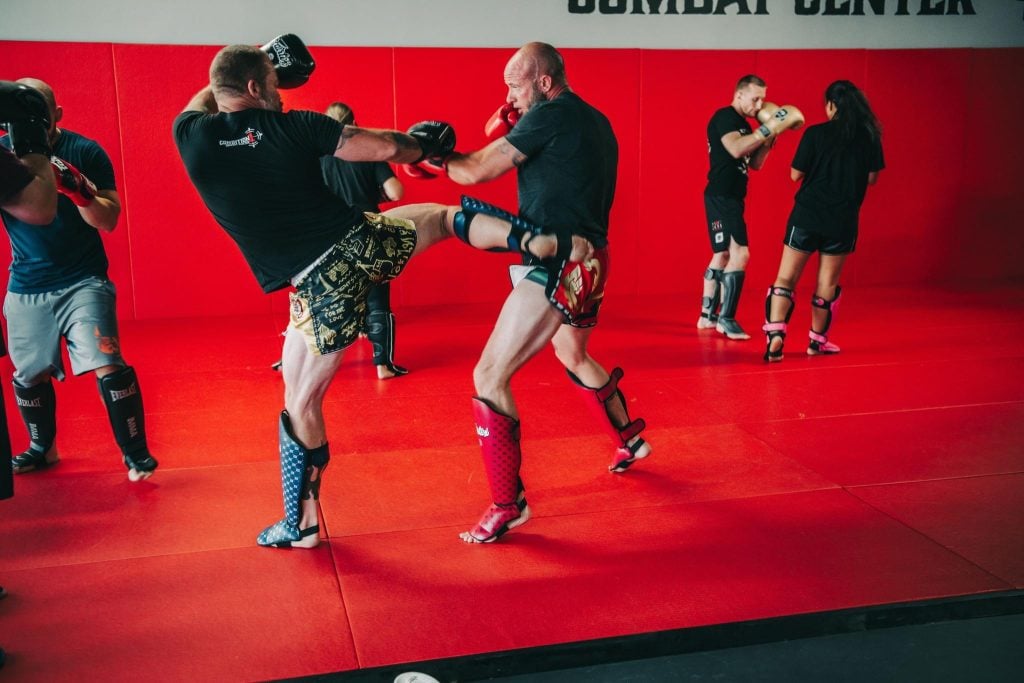
Older adults and students returning from injury get modified options without stigma. That might mean fewer rounds, slightly longer rest, or a different drill that builds the same skill with less torque. It is normal to see a coach swap a ballistic takedown for a posture break and pivot that protects a recovering knee. The goal is longevity.
Practical logistics in Spring, TX
Price and schedule matter. Expect membership options to range from roughly 99 to 179 dollars per month depending on class access and add-ons like unlimited fitness classes. Drop-ins and short-term passes exist for travelers or shift workers. Contracts tend to favor flexibility, with month-to-month plans popular among busy families. If you need exact figures, check condition1combat.com for current promos and seasonal schedules.
Commuting in Spring is easier if you avoid the top of the hour rush. The gym’s evening classes typically start after 5, which helps parents manage pickup windows. Parking is straightforward. Summer humidity demands more hydration than many newcomers expect, so bring a full bottle and a backup, and add electrolytes if you sweat heavily. For attire, stick with breathable fabrics, flat-soled shoes for fitness days, and clean, trimmed nails for partner safety.
If you are searching “local martial arts classes” or “affordable martial arts classes,” look beyond the headline price. Ask what is included. A slightly higher fee that covers unlimited access to Condition 1 Fitness classes in Spring, TX can be a better value than a cheaper plan with tight limits.
Why parents pick this for their kids
Parents do not want their child to posture like a movie hero. They want composure. Kids at Condition 1 learn to identify pre-bullying cues, set verbal boundaries, and seek adult help early. They also learn how to break wrist grabs, frame against a shove, and move to a safe adult with a calm head. One evening I watched a quiet fourth grader practice the “walk away with a buddy” tactic while a coach played the role of a classmate who would not take a hint. The student kept her voice low, palms visible, and feet moving. When the “classmate” escalated with a shoulder bump, she framed, created space, and headed to a designated “teacher corner.” That sequence shows up in real school hallways.
After school martial arts classes include structured time for homework and a clear pick-up protocol with ID checks. The staff keeps communication lines open through a parent portal and short progress notes. Attendance, behavior, and skill checklists keep everyone aligned without turning training into a test factory.
Training that respects women’s priorities
Women often walk in with clear, practical concerns: dealing with grabs, stops near cars, or harassment in crowded spaces. The curriculum addresses these directly with scenario-specific entries. Think of drills like doorframe awareness, keys in hand without tunnel vision, and seat-belted movement in a parked car. Clinch positions get extra attention because they are the reality of size mismatches. Coaches pair students thoughtfully so you never feel like you are just a crash test partner. Classes integrate boundary language that feels natural, not theatrical.
The gym also runs women-forward seminars where partner selection and pressure are tightly controlled, and the focus is on exits rather than extended exchanges. If you prefer a smaller group or need to address a personal experience in privacy, private martial arts classes are a strong option. The staff handles those requests discreetly.
For busy professionals
Time is the limiting factor for most adults. Condition 1 offers short-format classes that run 45 to 50 minutes with a precise warmup, a single technical focus, and a conditioning finisher. Weekend martial arts classes open space for those who travel midweek. Private sessions help high-pressure schedules stay consistent. If you have a business trip, a coach can send you a 20-minute travel routine with shadow drills and bands so you maintain continuity.
I have seen software leaders bring a small team in for a quarterly group session. The payoff is team chemistry and a little shared grit, but the unexpected benefit is better stress management on high-stakes calls. When your body recognizes adrenaline, a budget meeting feels less like a threat and more like a task.
How to evaluate any gym before you commit
- Watch how coaches correct students. Look for clear, specific cues rather than vague “good job.”
- Check partner culture. Do people ask about injuries and consent before contact?
- Ask how beginners enter sparring. There should be criteria, not pressure.
- Review cleaning routines and gear requirements. Consistency here signals care everywhere else.
- Look at progression. Is there a plan beyond the trial class that fits your goals and schedule?
If a school hits those notes, odds are good you will progress without drama.
Where the fitness piece fits with combatives
People sometimes split fitness from self-defense as if they are unrelated. They are not. Fitness lets you apply simple techniques at the right time, then move away. It shapes posture, balance, and breath control, especially when you are fatigued. Condition 1 integrates fitness with purpose. Carries build grip and trunk strength for clinch work. Rows and band pull-aparts build the upper back so your hands can stay up without burning. Intervals mimic surges in a real altercation, training recovery without panic. Over a few months, students notice fewer dropped hands, cleaner footwork when tired, and less cognitive fog between rounds.
Condition 1 Fitness classes in Spring, TX are not about chasing random sweat. They are engineered to line up with the technical work. That alignment keeps injuries down and confidence up.
Getting started
If you have been typing “adult martial arts classes” or “beginners martial arts classes” into your phone for weeks, the easiest step is to watch a class. Stand by the wall for ten minutes. See if the teaching makes sense to you. Ask your questions from the list above. If the vibe feels right, book a trial through condition1combat.com. Bring water, a towel, and an open mind. If cost is a concern, ask about multi-family discounts or off-peak options. If time is the barrier, try one evening combatives session and one weekend fitness class for three weeks. That cadence builds a base you can feel.
Condition 1 Combat Center lives in the practical lane. The space is clean, the instruction is clear, and the results are measurable. Whether you want kids martial arts classes that teach real-world awareness, adult martial arts classes that build capability without ego, or family martial arts classes that let you train together, the systems are in place. Browse the schedule for Condition 1 Fitness classes in Spring, TX, line up a visit, and see how it feels to practice skills that carry past the mat and into your daily life.